Fieldwork and Safety
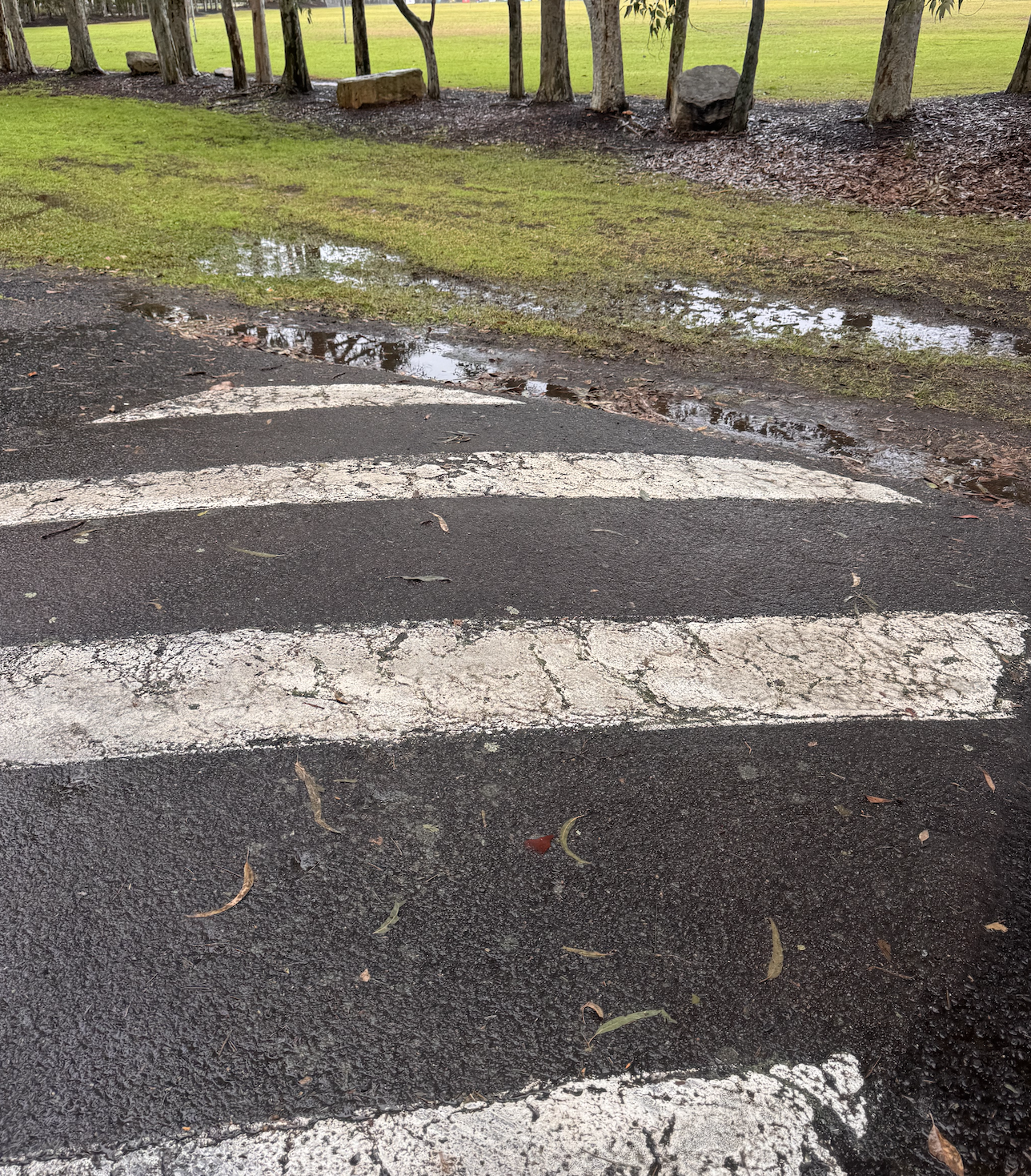
A safe visit to Georges River Environmental Education Centre starts with careful planning. Because students may be learning outdoors and near water, teachers need to consider risks such as slippery or uneven ground, heat, sun exposure, insects and students becoming separated from the group. A risk assessment should be completed beforehand so appropriate supervision and safety procedures can be put in place (Curriculum and Reform, 2026).
Students should also be closely supervised when moving around the site, especially near water. Regular headcounts, clear group boundaries and suitable clothing can help keep students safe. Students should wear enclosed shoes and bring a hat, sunscreen and enough water. Weather conditions should also be checked before the visit, as activities may need to change if conditions are unsuitable. Georges River EEC guidance also highlights safety briefings, first-aid preparation, supervision, suitable footwear and planning for heat and changing weather (NSW Department of Education, 2023).
Accessibility and Inclusion
Excursion planning should make sure all students can take part meaningfully. Georges River Environmental Education Centre provides accessible learning spaces and information that can support planning for students with different needs (Georges River EEC, 2026). Schools are also expected to consider individual learning and support needs and provide reasonable adjustments where required (Curriculum and Reform, 2026).
Before the excursion, teachers can identify any mobility, medical, sensory, toileting or other support needs and organise suitable adjustments. Planning these supports in advance can help students participate more comfortably and confidently.
Preparing for the Visit
Before the excursion, teachers need to organise permission notes, confirm transport and make sure medical and emergency information is current. Schools must obtain parent or carer consent and collect information about students’ individual needs before the visit (Curriculum and Reform, 2026).
Relevant student needs should also be communicated with centre staff. Health plans, first-aid requirements and weather forecasts should be checked before the excursion, and teachers should be ready to adjust plans if conditions change (Curriculum and Reform, 2026).

Create Your Own Website With Webador